'THE world is full of refugees, just like you and just like me..."
14.5.20
7.8.19
Innocence lost: what did you do before the internet?
WHEN I mentioned to Denham that I grew up entirely without the internet – having sent my first email on the first day of first year university in 1994 – her eyes brightened. “Ah ha!” she said. “So you’re one of the Last of the Innocents.”

Excelente artigo no Guardian sobre a última geração que viveu a sua infância sem a Internet e as consequências da constante exposição à rede.

Excelente artigo no Guardian sobre a última geração que viveu a sua infância sem a Internet e as consequências da constante exposição à rede.
3.7.19
Inteligência Artificial
REPORTAGEM que publiquei na Revista Macau sobre os sistemas de tradução automática que estão a ser desenvolvidos pela Universidade de Macau e pelo Instituto Politécnico, com colaboração de instituições portuguesas.
Etiquetas: Jornalismo, Macau, reportagem
6.6.19
Barcos Dragão
APÓS mais de sete anos a trabalhar em inglês, volto a escrever reportagens em português. Esta é sobre as regatas de barcos-dragão de Macau, que culminam amanhã com as equipas internacionais.


Etiquetas: Desporto, Jornalismo, Macau
31.1.19
Column: The Hong Kong-Zhuhai-Macau Bridge
MY first impression when arriving to the Macau port of the Hong Kong-Zhuhai-Macau Bridge was the disproportionate grandeur of the facility, with many empty corridors and large bare halls, reminding me of the Pac On Ferry Terminal. As usual, the public is not aware of the studies and traffic predictions that led to such an enormous facility. In modern Macau, the mantra is build it huge. [read more here]
3.12.18
Column: Where are the poets, the wild ones?
LOOKING at the Chinese literary scene, one wonders, where are the poets, the non-conformists? Where are, as Kerouac put it, “the mad ones, the ones who are mad to live, mad to talk, mad to be saved”? (Read more here)
Etiquetas: China, Crónica, literatura
26.10.18
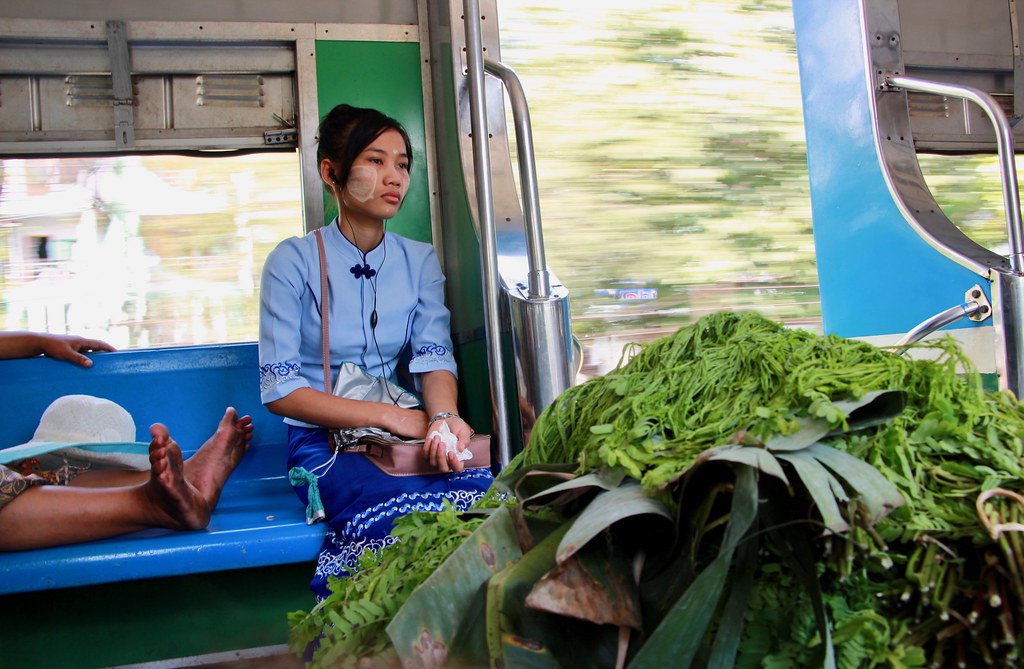
Etiquetas: Ásia, Fotografia, Viagens
3.8.18
18.7.18
Column: A puzzled chinese man in love
 |
| Nam Van Lake |
I met him at a coffee shop near the Nam Van Lake, where he asked my permission to sit at the table. I thought it was an atypical request, given that most people here seem to be foreigner-shy (unlike in other parts of the country), and I continued reading the newspaper until he began the conversation.
He looked like a Korean – as many Northern Chinese do – but told me he came from Shenzhen and was aged 30, although with a much younger appearence. An “uncle” – which I guess means a boss in Cantonese entrepreneur lingo – brought him to Macau to work in a restaurant. Just to do the “easy stuff,” he said.
(Read more here)
10.7.18
Column: ‘Crime of social alarm’ is in fact a gag order
THE new bill on civil protection law, which proposes the establishment of a “crime of social alarm,” represents a new attack on freedom of speech in Macau. (Read more here)
16.5.18
BOM texto sobre o Chet Baker, que morreu há 30 anos num hotel em Amesterdão, junto à estação central, por onde passei uma vez ao acaso (e lá está o busto dele na fachada).
10.4.18
Many ‘blue cards’ have no other home, but are treated like coolies
DISCRIMINATION in Macau is worsening, thanks to the tendency to establish countless legal differences between permanent and non-permanent residents – when the only initial difference was the right to vote – and the establishment of a huge gap in rights between these and the “blue card” holders. It seems there are first- and second-class citizens, and then some others who are treated like coolies.
The term “non-resident worker” was badly penned. We all know cases of non-residents who are born here but are denied residency simply because their parents, who already resided here, did not have a local ID. Many non-residents know no other home, yet they face discrimination from birth. Private schools here charge non-local students the “market price” for fees – around twice what locals pay. The difference between these “non-local” students and “local students” is the fact that the latter possess a Macau ID.
Once again, the government is not setting a good example in a city with deep multicultural roots. [my latest column, read more here]
20.3.18
MORREU a Channthy Kak, cantora dos Cambodian Space Project, que vi actuar em Phnom Penh e em Macau. Grande cantora, na tradição e peculiar estilo da música rock Khmer. RIP
Etiquetas: musica
21.2.18
JP Simões, Alvoroço, uma canção que quer dizer muitas coisas, a fazer lembrar o Chico Buarque, mas também espécie de resumo da lírica do JP. Muito bom:
Etiquetas: musica
9.1.18
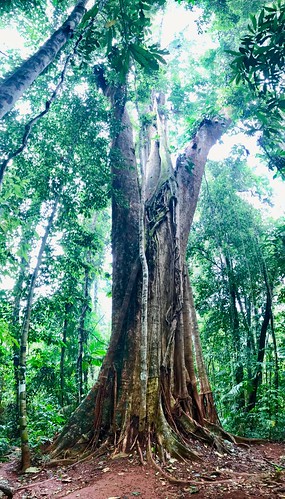
Etiquetas: Viagens
3.1.18
Is Hengqin An Empty Promise For Macau?
HENGQIN Island has undergone massive development over the past few years. When I first visited the neighboring island in 2009, there was almost nothing there besides some rustic restaurants serving tasty oysters.
Eight years after that visit, Hengqin’s development is quite visible from Taipa and Coloane. It is actually almost oppressing to see residential towers growing in Hengqin’s shoreline adjacent to Macau, almost like they are trying to keep up with the Joneses.
(My latest column, read more here)
18.11.17
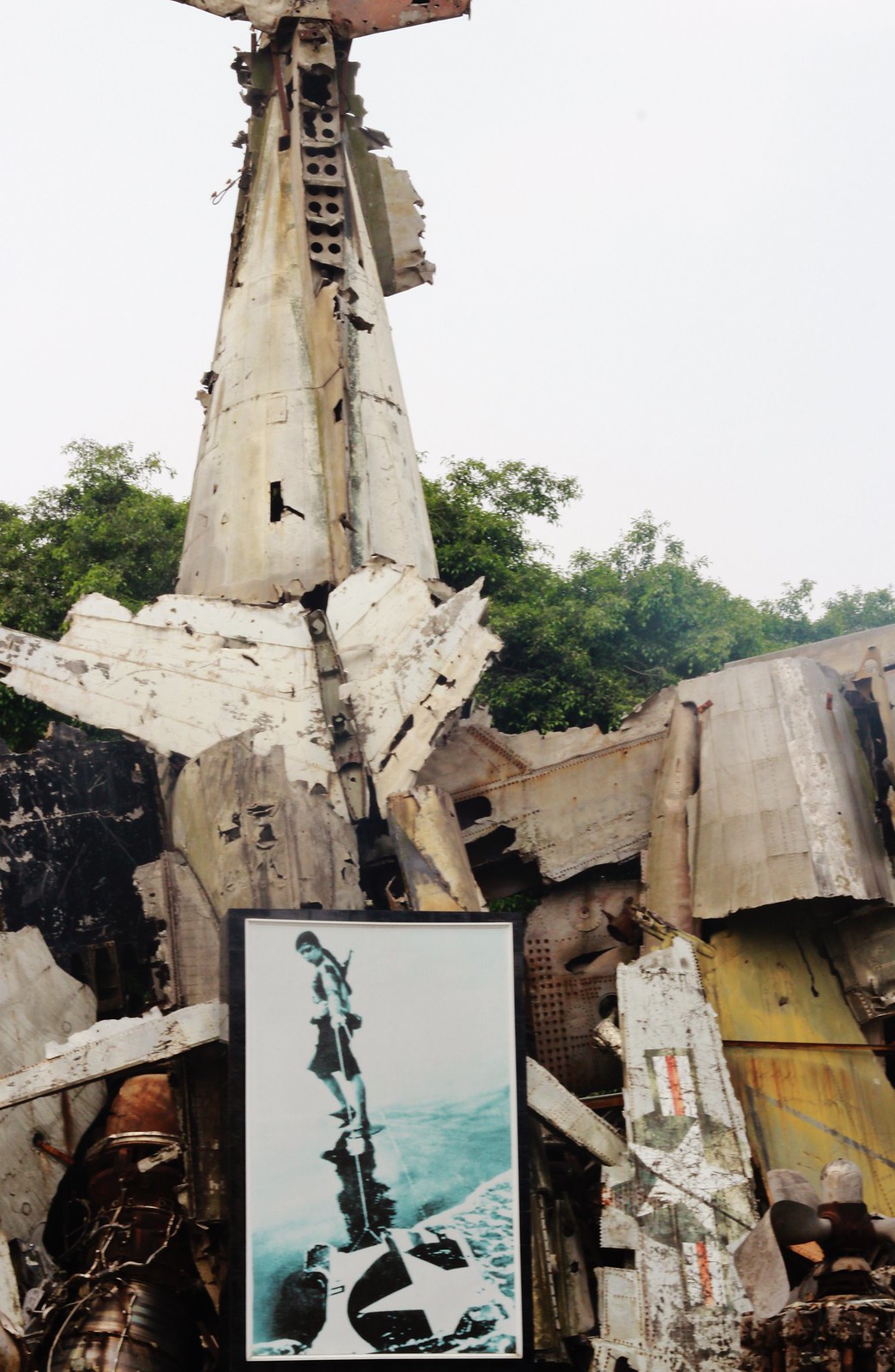
15.11.17
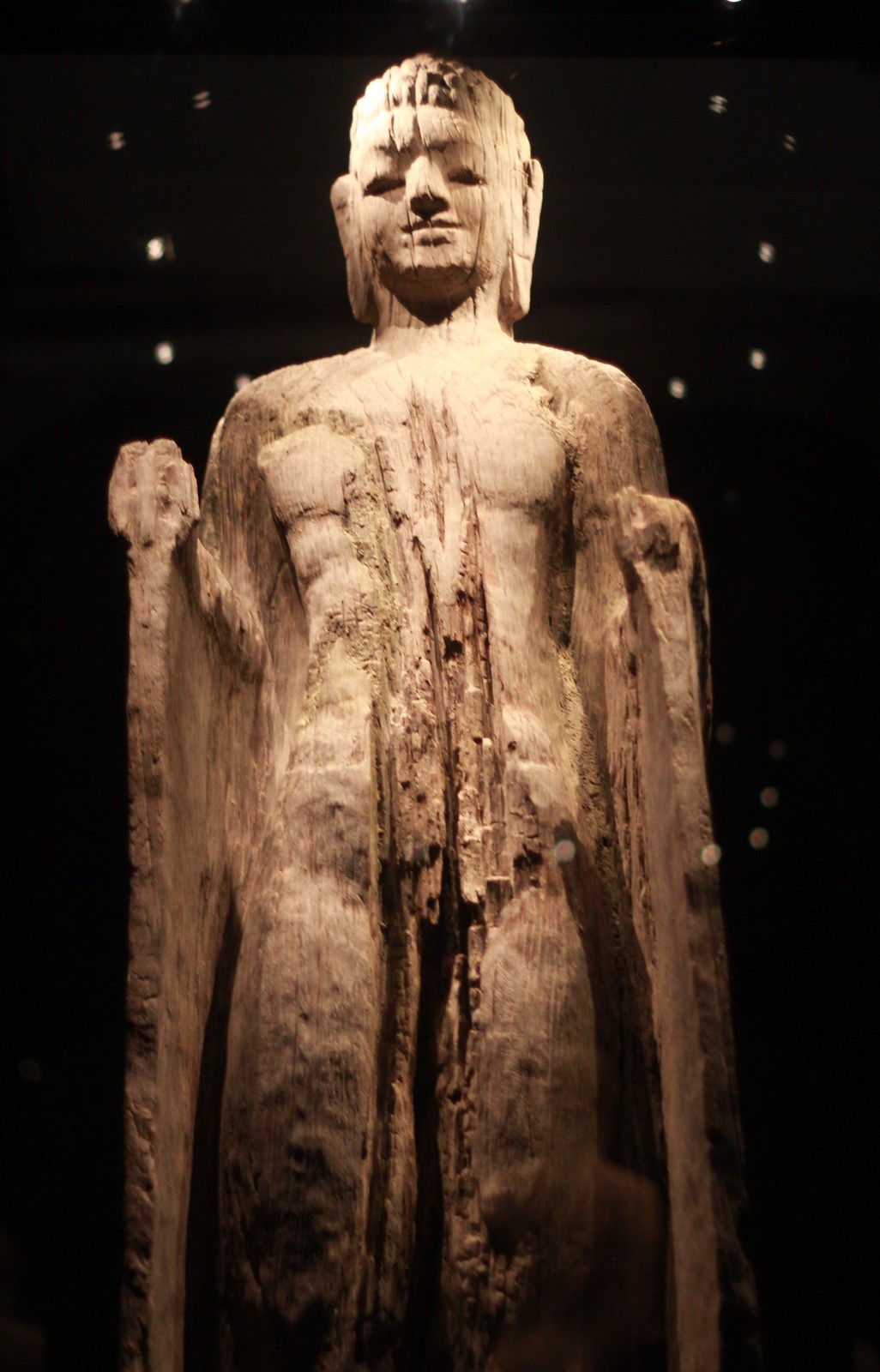
12.11.17
5.11.17
ªMACAU was on the tip of the peninsula, and in ten minutes you could walk from the Praya on one side to the beach on the other, and in twenty minutes from the center of the town to the frontier across the peninsula neck, where you could see the Red China flag flying down the road - though of course in that heat you never did walk, but took trishaws everywhere. Macau had flourished for centuries as the gateway to China, but now the gateways was closed and there was no trade any longer, no industry, no business - nothing to keep the town alive except opium and gambling and girls. And at the hotel where we were staying you could get all three - the gambling on either of the two floors devoted to casinos, and the opium and girls in your room by pressing the bell and asking the floor boy. And for that matter the floor boy would also provide a go-between with the casino, so that if you believed in doing things thoroughly you could gamble and smoke opium and have a girl at the same time."
"The World of Suzie Wong" by Richard Mason (novel published in 1957)
"The World of Suzie Wong" by Richard Mason (novel published in 1957)
Etiquetas: literatura, Macau
20.10.17
17.10.17

19.9.17

17.9.17
ENTREVISTA com o director do El Pais, um grande jornal.
Etiquetas: Jornalismo
12.9.17
MORREU recentemente o David Tang, fundador da marca Shanghai Tang e autor de uma das melhores descrições da Macau contemporânea que já li:
"Macau must win the accolade of a city whose charm evaporated overnight when it was returned to Chinese sovereignty. For over 440 years, the place was ruled by the Portuguese. Utterly parochial with just a population of 400,000, the enclave had attractive colonial buildings and cobblestone streets and an atmosphere of history and the long, fruitful and harmonious community created by the Portuguese and Chinese living side by side.
"Macau must win the accolade of a city whose charm evaporated overnight when it was returned to Chinese sovereignty. For over 440 years, the place was ruled by the Portuguese. Utterly parochial with just a population of 400,000, the enclave had attractive colonial buildings and cobblestone streets and an atmosphere of history and the long, fruitful and harmonious community created by the Portuguese and Chinese living side by side.
Those of us who lived in Hong Kong, just 40 miles away,
regularly took the jetfoils across for the weekend there, taking a girlfriend
or a mistress or even a wife to a charming restaurant and staying the night at
a romantic hotel. Sometimes, we would go gambling at the theatrical Lisboa
Casino. But on the day after the Portuguese colony was returned to Chinese
sovereignty in 1999 garish casinos, hotels and shopping malls materialised, all
built in record time by avaricious Americans and Chinese. They couldn’t wait a
nanosecond to lay their hands on the Chinese punters from mainland China. And
how right they were. Today, 17 million mainland Chinese come through Macau
every year, and its gambling revenues recently amounted to $45bn, which is
seven times more than the Las Vegas Strip. The price for this exponential
growth is a gargantuan building site with tacky designs and tinny replicas of
the Eiffel Tower and St Mark’s Square in Venice, replete with toy canals and
gondolas, peddled by wobbling Chinese in full gondolier uniforms.
Casinos and shopping arcades now rule the roost and
somnambulant punters come and go, some with grim countenances hiding their
secret losses, and others smiling as they splash their spoils on ostentatious
retail. Outside, the narrow streets are dead, the skyline an undulating mess of
soulless silhouettes, and more and more cars jam the roads. Money launderers
mingle with fortune hunters. In the shadows of the ubiquitous pawn shops, with
their sleepless neon signs, the place filled with an overwhelming sense of
depression, despair, despondency and delinquency."
(in Financial Times, 2016)
11.9.17
"THE day the Earth caught fire"é um grande filme de 1961 que é talvez mais actual agora, dadas as alterações climáticas e outros desmandos causados por acção humana (a ameaça nuclear pairava na altura e continua a pairar). Especialmente interessante para jornalistas (grande parte do filme passa-se numa redacção), parte duma premissa interessante. Qual seria a reacção de jornalistas experientes quando confrontados com uma sequência de eventos bizarros, para os quais não parece haver uma explicação lógica? E como se comportariam as pessoas mal soubessem que estavam a caminhar para o fim do mundo?
Etiquetas: Cinema, Jornalismo
6.9.17
1.8.17
4.7.17
"This is the strangest life I've ever known"
FAZ hoje 46 anos que morreu Jim Morrison em Paris.
Ao pesquisar possíveis ilustrações para um artigo publicado no Macau Daily Times, encontrei
online esta foto tirada cinco dias antes da sua morte, durante um
passeio à zona de L'Oise, no norte de França.

E há também esta, tirada na mesma ocasião, com a namorada Pamela, que viria a morrer no dia 25 de Abril de 1974:

26.6.17
Column: Misinformed citizens are a peril to democracy
THE term “fake news” has been a trending expression since
the new US president was elected.
Former Agence France-Presse editor-in-chief Eric Wishart,
who now works on special projects for the agency’s global news management, was
in Macau last month to attend a conference organized by the Macau Portuguese
and English Press Association. He tried to answer a pertinent question: Why is
fake news such a big issue now?
Wishart, who is also a scholar based in Hong Kong, defined
fake news as “fabricated content presented as legitimate news with an intent to
deceive” and noted that social media has been the driving force behind the
phenomenon.
[By PB, read more here]
15.5.17
Praia Grande

FUI almoçar à sede renovada da Associação dos Macaenses (ADM) – onde se continua a comer muito bem – e reparei neste magnífico painel que retrata a Praia Grande. Desde que cheguei a Macau, esta é a zona da cidade a que me sinto mais ligado, até porque sempre vivi nas imediações do Lilau e de São Lourenço. Mas, logicamente, já não conheci a Praia Grande assim (alias, já não conheci a praia), antes a versão com o delta do rio domesticado (e transformado nos lagos Nam Van e Sai Van) e as torres habitacionais de gosto mais do que duvidoso. Mas há ainda elementos reconhecíveis, como o Bela Vista e o palácio do governo. O Miguel Senna Fernandes, presidente da ADM, disse-me na semana passada que a Praia Grande retratada neste painel deverá remontar aos anos 20. Imagina-se o que seria esta zona se tivesse sido mantida a traça apalaçada dos edifícios naquilo que se construiu de novo e se ao largo ainda estivessem juncos e outros barcos, provavelmente já não de pesca, mas de recreio… Mas, naturalmente, foi este o preço a pagar pelo progresso.
Etiquetas: Gastronomia, História, Macau
25.4.17
DC-3 World Tour
UMA aventura aérea, daquelas que fazem sonhar pequenos e graúdos, passou por Macau. Gostei de escrever esta história:
Boarding the Douglas DC-3 is like returning to the era of black and white movies, when commercial aviation was making its first steps. A model of the twin-engine propeller plane, which revolutionized air transport in the 1930s and 1940s, arrived at the Macau International Airport on Sunday as part of the Breitling DC-3 World Tour.

Boarding the Douglas DC-3 is like returning to the era of black and white movies, when commercial aviation was making its first steps. A model of the twin-engine propeller plane, which revolutionized air transport in the 1930s and 1940s, arrived at the Macau International Airport on Sunday as part of the Breitling DC-3 World Tour.

Etiquetas: Jornalismo, Macau, Viagens
22.3.17
the crunch
Too much
too little
or not enough
too little
or not enough
too fat
too thin
or nobody
too thin
or nobody
laughter or
tears
or immaculate
non-concern
tears
or immaculate
non-concern
haters
lovers
lovers
armies running through streets of blood
waving winebottles
bayoneting and fucking virgins
waving winebottles
bayoneting and fucking virgins
or an old guy in a cheap room
with a photograph of Marilyn Monroe
with a photograph of Marilyn Monroe
many old guys in cheap rooms without
any photographs at all
any photographs at all
many old women rubbing rosaries
when they'd prefer to be rubbing cocks
when they'd prefer to be rubbing cocks
there is a loneliness in this world so great
that you can see it in the slow movements of
the hands of a clock
that you can see it in the slow movements of
the hands of a clock
there is a loneliness in this world so great
that you can see it blinking in neon signs
in Vegas, in Baltimore, in Munich
that you can see it blinking in neon signs
in Vegas, in Baltimore, in Munich
there are people so tired
so strafed
so mutilated by love or no
love
that buying a bargain can of tuna
in a supermarket
is their greatest moment
their greatest victory
so strafed
so mutilated by love or no
love
that buying a bargain can of tuna
in a supermarket
is their greatest moment
their greatest victory
we don't need new governments
new revolutions
we don't need new men
new women
we don't need new ways
wife-swaps
waterbeds
good Columbian
coke
water pipes
dildoes
rubbers with corkscrew stems
watches that give you the date
new revolutions
we don't need new men
new women
we don't need new ways
wife-swaps
waterbeds
good Columbian
coke
water pipes
dildoes
rubbers with corkscrew stems
watches that give you the date
people are not good to each other
one on one.
Marx be damned
the sin is not the totality of certain systems.
Christianity be damned
the sin is not the killing of a God.
one on one.
Marx be damned
the sin is not the totality of certain systems.
Christianity be damned
the sin is not the killing of a God.
people are just not good to each other.
we are afraid
we think that hatred means strength
we think that New York City is the greatest
city in America.
we think that hatred means strength
we think that New York City is the greatest
city in America.
what we need is less brilliance
what we need is less instruction
what we need is less instruction
what we need are less poets
what we need are less Bukowskies
what we need are less Billy Grahams
what we need are less Bukowskies
what we need are less Billy Grahams
what we need is more
beer
a typist
more finches
more green-eyed whores who don't eat your heart
like a vitamin pill
beer
a typist
more finches
more green-eyed whores who don't eat your heart
like a vitamin pill
we don't think about the terror of one person
aching in one place
aching in one place
alone
untouched
unspoken to
watering a plant
being without a telephone that will never
ring
because there isn't one.
untouched
unspoken to
watering a plant
being without a telephone that will never
ring
because there isn't one.
more haters than lovers
slices of doom like taffeta
people are not good to each other
people are not good to each other
people are not good to each other
people are not good to each other
people are not good to each other
and the beads swing and the clouds cloud
and the dogs piss upon the roses
and the killer beheads the child like taking a bite
out of an ice cream cone
and the ocean comes in and out
in and out
under the direction of a senseless moon
and the dogs piss upon the roses
and the killer beheads the child like taking a bite
out of an ice cream cone
and the ocean comes in and out
in and out
under the direction of a senseless moon
and people are not good to each other.
Appears (in an edited form) in Love is a Dog From Hell
Etiquetas: Poesia
9.3.17
A RTP está a fazer 60 anos e abriu parte dos seus arquivos. Entre outras coisas notáveis (como o telejornal na íntegra do dia 25 de Abril de 74), há lá imenso material fascinante sobre Macau. Por exemplo, o documentário "Macau 70", que já vi várias vezes.
Filmado em 1971, o documentário evidencia a alteração brutal que se registou em Macau nos últimos 40 anos. As imagens mostram uma cidade que já não existe, mas que ainda consigo imaginar. Alguns aspectos que destaco:
- A zona do Senado, muito pacata, quase sem carros e com muitas bicicletas
- O uso generalizado de riquexós para funções quotidianas (e não para turismo… aliás, há uma total ausência de turistas).
- Muitos chineses com vestes tradicionais, coisa que já pouco se vê.
- A pujante industria têxtil, com imagens de centenas de operários a trabalhar em fábricas.
- O Casino Lisboa acabado de abrir (em 1970) e a Ponte Nobre de Carvalho ainda em maqueta.
- As imagens do interior de um casino (penso que será o Hotel Central) que parecem ser do sec XIX, muito longe da sofisticação actual.
- O episódio do funeral, com típicos carros chineses engalanados (já não se vê nada parecido)
- A Taipa ainda sem a ponte, quase deserta.
- A rusticidade de Coloane, com os seus pescadores e putos de pé descalço.
- Uma certa hostilidade no olhar das pessoas que encaram o “cameraman” português. Apenas algumas crianças sorriem. Estávamos ainda em tempos de Revolução Cultural (como se nota pela efígie do Mao num edifício) e pouco depois do incidente que ficou conhecido como “1,2,3”.
Mais informação nos arquivos está disponível no Macau Daily Times.
Filmado em 1971, o documentário evidencia a alteração brutal que se registou em Macau nos últimos 40 anos. As imagens mostram uma cidade que já não existe, mas que ainda consigo imaginar. Alguns aspectos que destaco:
- A zona do Senado, muito pacata, quase sem carros e com muitas bicicletas
- O uso generalizado de riquexós para funções quotidianas (e não para turismo… aliás, há uma total ausência de turistas).
- Muitos chineses com vestes tradicionais, coisa que já pouco se vê.
- A pujante industria têxtil, com imagens de centenas de operários a trabalhar em fábricas.
- O Casino Lisboa acabado de abrir (em 1970) e a Ponte Nobre de Carvalho ainda em maqueta.
- As imagens do interior de um casino (penso que será o Hotel Central) que parecem ser do sec XIX, muito longe da sofisticação actual.
- O episódio do funeral, com típicos carros chineses engalanados (já não se vê nada parecido)
- A Taipa ainda sem a ponte, quase deserta.
- A rusticidade de Coloane, com os seus pescadores e putos de pé descalço.
- Uma certa hostilidade no olhar das pessoas que encaram o “cameraman” português. Apenas algumas crianças sorriem. Estávamos ainda em tempos de Revolução Cultural (como se nota pela efígie do Mao num edifício) e pouco depois do incidente que ficou conhecido como “1,2,3”.
Mais informação nos arquivos está disponível no Macau Daily Times.
Etiquetas: Documentário, Macau
3.3.17
UM documentário já com uns anos sobre a grande Rádio Universidade de Coimbra:
UM QUARTO NO ÉTER - Trailer from Rodrigo Lacerda on Vimeo.
UM QUARTO NO ÉTER - Trailer from Rodrigo Lacerda on Vimeo.
Etiquetas: Portugal
- Sangue na Navalha
- Psicotapa
- Rodrigo Cartoon
- Humoral da história
- O Homem que Comia Tudo
- Poros
- O Coiso e Tal
- Ponto Média
- janeiro 2008
- fevereiro 2008
- julho 2008
- agosto 2008
- setembro 2008
- outubro 2008
- novembro 2008
- dezembro 2008
- janeiro 2009
- fevereiro 2009
- março 2009
- abril 2009
- maio 2009
- junho 2009
- julho 2009
- agosto 2009
- setembro 2009
- outubro 2009
- novembro 2009
- dezembro 2009
- janeiro 2010
- fevereiro 2010
- março 2010
- abril 2010
- maio 2010
- junho 2010
- julho 2010
- agosto 2010
- setembro 2010
- outubro 2010
- novembro 2010
- dezembro 2010
- janeiro 2011
- fevereiro 2011
- março 2011
- abril 2011
- maio 2011
- junho 2011
- julho 2011
- agosto 2011
- setembro 2011
- outubro 2011
- novembro 2011
- dezembro 2011
- janeiro 2012
- fevereiro 2012
- março 2012
- abril 2012
- maio 2012
- junho 2012
- julho 2012
- agosto 2012
- setembro 2012
- outubro 2012
- novembro 2012
- dezembro 2012
- janeiro 2013
- fevereiro 2013
- março 2013
- abril 2013
- maio 2013
- junho 2013
- julho 2013
- agosto 2013
- setembro 2013
- outubro 2013
- novembro 2013
- dezembro 2013
- janeiro 2014
- fevereiro 2014
- março 2014
- abril 2014
- maio 2014
- junho 2014
- julho 2014
- agosto 2014
- setembro 2014
- outubro 2014
- novembro 2014
- dezembro 2014
- janeiro 2015
- fevereiro 2015
- março 2015
- abril 2015
- maio 2015
- junho 2015
- julho 2015
- agosto 2015
- setembro 2015
- outubro 2015
- novembro 2015
- dezembro 2015
- janeiro 2016
- fevereiro 2016
- março 2016
- abril 2016
- maio 2016
- junho 2016
- julho 2016
- agosto 2016
- setembro 2016
- outubro 2016
- novembro 2016
- dezembro 2016
- janeiro 2017
- fevereiro 2017
- março 2017
- abril 2017
- maio 2017
- junho 2017
- julho 2017
- agosto 2017
- setembro 2017
- outubro 2017
- novembro 2017
- janeiro 2018
- fevereiro 2018
- março 2018
- abril 2018
- maio 2018
- julho 2018
- agosto 2018
- outubro 2018
- dezembro 2018
- janeiro 2019
- junho 2019
- julho 2019
- agosto 2019
- maio 2020
www.flickr.com
This is a Flickr badge showing public photos and videos from BARBOSA BRIOSA. Make your own badge here.
